St. Petersburg,Florida Dog Registration Information
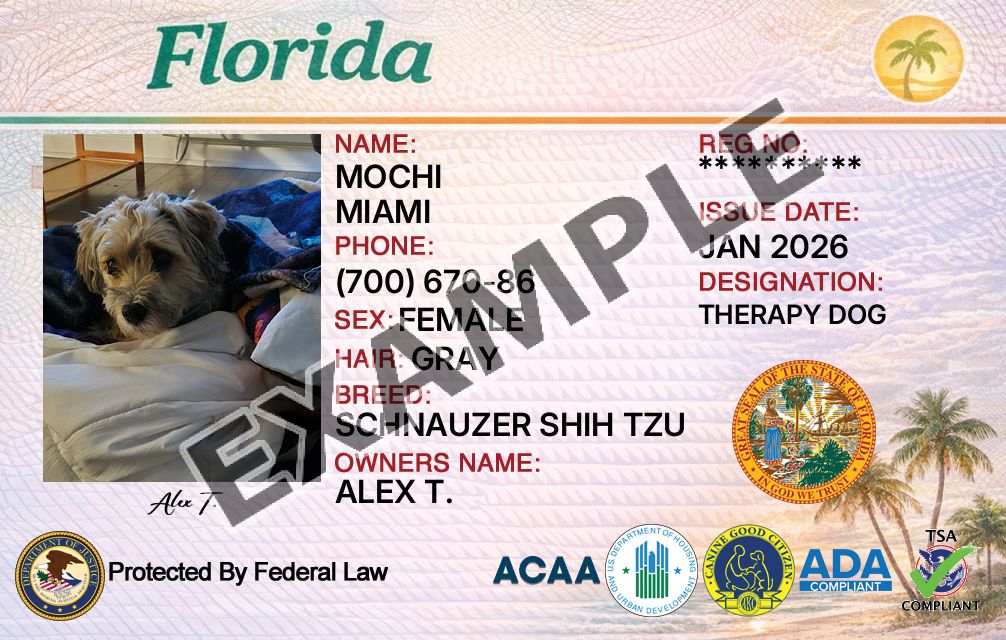
State Licensed, Service Dogs and Emotional Support Dogs in Florida
Registering Your Dog in St. Petersburg, Florida (Service Dog or Emotional Support Dog)
If you’re searching where do i register my dog in St. Petersburg, Florida for my service dog or emotional support dog, the most important thing to know is this: there is usually no special “service dog registry” or “ESA registry” required by law. In practice, what most residents mean by “registering” is getting a dog license in St. Petersburg, Florida (often called a county pet license or tag) and ensuring your dog is current on rabies vaccination. In St. Petersburg, dog licensing and rabies enforcement are commonly handled at the county level through Pinellas County Animal Services.
Important Clarification (Service Dog vs. License vs. ESA)
- Dog license: A local government license/tag tied to rabies vaccination status.
- Service dog: A dog individually trained to do work or perform tasks for a person with a disability (status is based on training and use, not a paid registry).
- Emotional support animal (ESA): Typically supported by clinical documentation for certain housing situations; ESAs generally are not service dogs.
Where to Register or License Your Dog in St. Petersburg, Florida
Because licensing is often handled at the county or city level, the offices below are common starting points for where to register a dog in St. Petersburg, Florida—especially if you need a new or renewed county tag, have questions about rabies documentation, or need guidance on local animal regulations. These are official government contacts when available.
Official Animal Licensing & Enforcement (Primary)
| Office | Contact | Hours |
|---|---|---|
Pinellas County Animal Services
12450 Ulmerton Road Largo, FL 33774 | Phone: (727) 582-2600 Fax: (727) 582-2637 Email: AnimalLicensing@Pinellas.gov
Helpful phone menu options may include: Option 4 (Animal Concerns) and Option 8 (Customer Service). | Customer Service (Phone Hours): Monday – Friday, 9:00 a.m. – 5:30 p.m. Animal Reclaim Hours: Monday – Friday, 9:30 a.m. – 6:00 p.m.; Saturday, 9:00 a.m. – 1:00 p.m. Adoption Center Hours: Monday – Friday, 9:30 a.m. – 5:30 p.m.; Saturday, 9:00 a.m. – 1:00 p.m. |
Florida Department of Health (Pinellas County)
(Contact details vary by program and location; confirm the correct unit for rabies questions.) |
Use for public health guidance (e.g., rabies investigations and exposure guidance). For routine pet licensing,
Pinellas County Animal Services is typically the main contact. |
Verify current hours with the specific department/program office. |
City of St. Petersburg (Public Safety / Police Non-Emergency)
(City contact details and routing can change; ask to be directed to the correct unit for animal-related concerns.) |
For urgent issues, aggressive/loose animals, or situations needing immediate response, you may be routed to the appropriate responder.
For licensing/tag questions, start with Pinellas County Animal Services. |
Verify current hours and the correct contact path for animal control-related calls. |
Which Office Should You Contact First?
For most residents asking about an animal control dog license St. Petersburg or a county tag, start with Pinellas County Animal Services. They handle county pet licenses/tags and are closely tied to rabies vaccination documentation. If your question is specifically about service dog legal access or ESA housing paperwork, you typically won’t “register” through a local office; instead, you’ll follow the legal rules described below and keep your documentation organized.
Overview of Dog Licensing in St. Petersburg, Florida
Who Issues Dog Licenses?
In and around St. Petersburg, dog licensing is commonly handled locally through Pinellas County. The county license/tag is designed to help identify pets, support community animal services, and ensure dogs are vaccinated against rabies. When people ask where to register a dog in St. Petersburg, Florida, the answer is usually: you license your dog through Pinellas County Animal Services using current rabies documentation.
Rabies Vaccination Is the Key Requirement
A current rabies vaccination certificate (or a qualifying veterinary exemption letter) is typically required to obtain a county pet license. Florida law requires rabies vaccination for dogs, cats, and ferrets of a certain age (commonly referenced as 4 months and older), and local ordinances commonly connect licensing directly to that rabies documentation.
Licensing Helps Even If Your Dog Is a Service Dog or ESA
Having a service dog or emotional support dog does not usually replace local requirements for rabies vaccination and licensing. Even if your dog is task-trained (service dog) or provides emotional support (ESA), you’ll still generally benefit from keeping a current county license/tag. If your dog ever gets lost, a tag number can help Animal Services contact you faster.
How Dog Licensing Works Locally in St. Petersburg, Florida
Step 1: Get a Rabies Vaccination Certificate (or Vet Exemption)
To apply for a county license/tag, you typically need proof your dog has a current rabies vaccination. If a veterinarian determines vaccination is not advisable for medical reasons, ask your vet about an official exemption letter and any renewal requirements.
Step 2: Submit Documentation to the County
Once you have your rabies certificate (or exemption letter), you can typically obtain a license by providing the documentation to the county—often in person, by mail, or via official email if offered. Keep copies of what you submit for your records.
Step 3: Understand Duration, Renewals, and Lost Tags
In Pinellas County, the license number is intended to stay associated with your pet (think of it as a permanent ID number), but the license validity is tied to the rabies vaccination expiration date. That means renewals are often based on when rabies protection expires. If a tag is lost, you can typically request a replacement so your dog keeps the same tag number.
What About “Service Dog Registration” or “ESA Registration”?
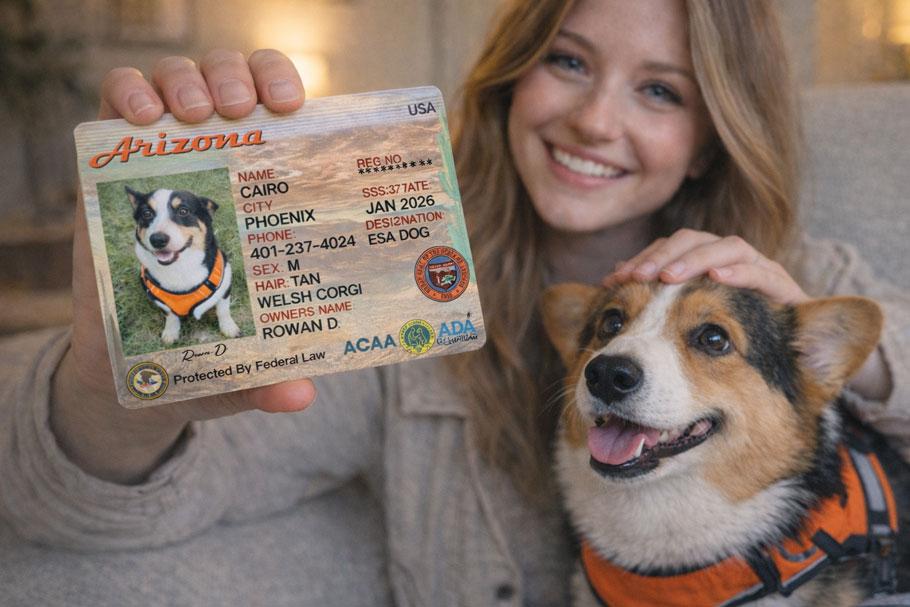
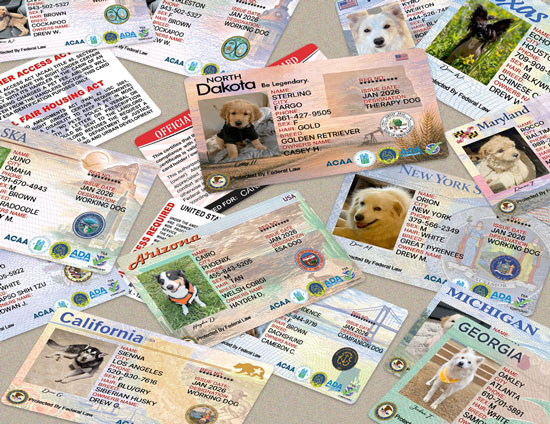
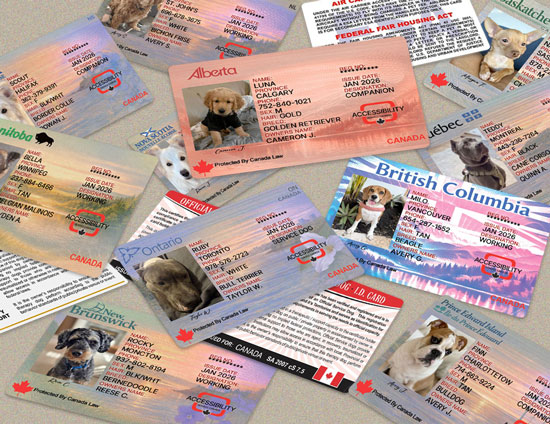
Be cautious: many online “registries” and paid ID card sites are not required by law and are not the same as a local dog license. For local compliance, focus first on the basics: rabies vaccination and a dog license in St. Petersburg, Florida (issued locally through the county).
Service Dog Laws in St. Petersburg, Florida
What Makes a Dog a Service Dog?
A service dog is generally a dog individually trained to do work or perform tasks for a person with a disability. The dog’s legal status comes from what the dog is trained to do and how it mitigates the handler’s disability—not from a paid certificate or website.
Do You Need to Register a Service Dog with the City or County?
Typically, there is no special local registration required to “make” a dog a service dog. However, the dog may still need a standard local license/tag like any other dog in the area. In other words: service dog status and a county dog license are different things.
Public Access Basics (Practical Guidance)
In many public settings, staff may be limited in what they can ask. As a practical matter, keep your dog under control, housebroken, and behaving appropriately. For day-to-day life, your most useful paperwork tends to be veterinary and licensing records (rabies certificate, county tag information), plus any training records you keep for yourself.
Emotional Support Animal Rules in St. Petersburg, Florida
ESAs vs. Service Dogs: Not the Same Legal Category
Emotional support animals provide comfort by their presence, but they are generally not considered service animals unless they are also trained to perform disability-related tasks. This difference matters because public-access rights and rules are not the same for ESAs as they are for service dogs.
What “Documentation” Usually Means for an ESA
ESA-related paperwork is typically used most often for housing situations (for example, requesting a reasonable accommodation). A legitimate ESA request is usually supported by documentation from a qualified healthcare professional. A paid “registration” is usually not required and may not be accepted in many real-world situations.
Do ESAs Still Need a Local Dog License?
Yes, in most cases your ESA is still a pet under local animal control rules. That means you should still follow local requirements for rabies vaccination and obtain a dog license in St. Petersburg, Florida through the official local process.
Frequently Asked Questions
For the “registration” most people mean—getting a local license/tag—start with Pinellas County Animal Services. Service dog status and ESA status are not typically created through a local registry; they relate to training (service dog) or qualifying documentation for certain accommodations (ESA). Even so, your dog may still need a standard county license and rabies compliance.
Dog licensing is often handled locally at the county level. For St. Petersburg residents, Pinellas County Animal Services is a primary agency for county pet licenses/tags and related guidance, including rabies documentation requirements.
In many places, yes—service dogs still must follow local public health rules (like rabies vaccination) and local licensing/tag rules. Service dog access rights are separate from an animal control dog license St. Petersburg residents may need for local compliance.
Ask your veterinarian about a formal exemption letter and what renewal steps are required. Then contact the local licensing office to confirm how exemptions are processed for a county license/tag.
Focus on official requirements first: local licensing, rabies vaccination documentation, and understanding legal definitions. Be cautious with paid “registries” that promise legal status. If you’re unsure, contact the official animal services office for guidance on the local dog license and vaccination rules, and consult qualified professionals for ESA documentation or service dog training.
Register A Dog In Other St. Petersburg Counties
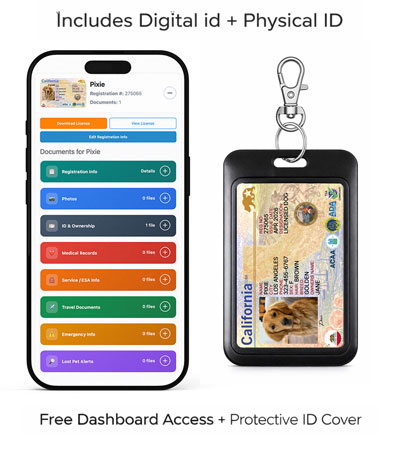
Select your county from the dropdown below to get started with your dog’s ID card. Requirements and license designs may vary by county, so choose your location to see the correct options and complete your pup’s registration.
- Alachua County Dog Registration
- Baker County Dog Registration
- Bay County Dog Registration
- Bradford County Dog Registration
- Brevard County Dog Registration
- Broward County Dog Registration
- Calhoun County Dog Registration
- Charlotte County Dog Registration
- Citrus County Dog Registration
- City of Jacksonville County Dog Registration
- Clay County Dog Registration
- Collier County Dog Registration
- Columbia County Dog Registration
- DeSoto County Dog Registration
- Dixie County Dog Registration
- Duval County Dog Registration
- Escambia County Dog Registration
- Flagler County Dog Registration
- Franklin County Dog Registration
- Gadsden County Dog Registration
- Gilchrist County Dog Registration
- Glades County Dog Registration
- Gulf County Dog Registration
- Hamilton County Dog Registration
- Hardee County Dog Registration
- Hendry County Dog Registration
- Hernando County Dog Registration
- Highlands County Dog Registration
- Hillsborough County Dog Registration
- Holmes County Dog Registration
- Indian River County Dog Registration
- Jackson County Dog Registration
- Jefferson County Dog Registration
- Lafayette County Dog Registration
- Lake County Dog Registration
- Lee County Dog Registration
- Leon County Dog Registration
- Levy County Dog Registration
- Liberty County Dog Registration
- Madison County Dog Registration
- Manatee County Dog Registration
- Marion County Dog Registration
- Martin County Dog Registration
- Miami-Dade County Dog Registration
- Monroe County Dog Registration
- Nassau County Dog Registration
- Okaloosa County Dog Registration
- Okeechobee County Dog Registration
- Orange County Dog Registration
- Osecola County Dog Registration
- Palm Beach County Dog Registration
- Pasco County Dog Registration
- Pinellas County Dog Registration
- Polk County Dog Registration
- Putnam County Dog Registration
- Santa Rosa County Dog Registration
- Sarasota County Dog Registration
- Seminole County Dog Registration
- St. Johns County Dog Registration
- St. Lucie County Dog Registration
- Sumter County Dog Registration
- Suwannee County Dog Registration
- Taylor County Dog Registration
- Union County Dog Registration
- Volusia County Dog Registration
- Wakulla County Dog Registration
- Walton County Dog Registration
- Washington County Dog Registration